Siding and wood rot repair in Apex, NC
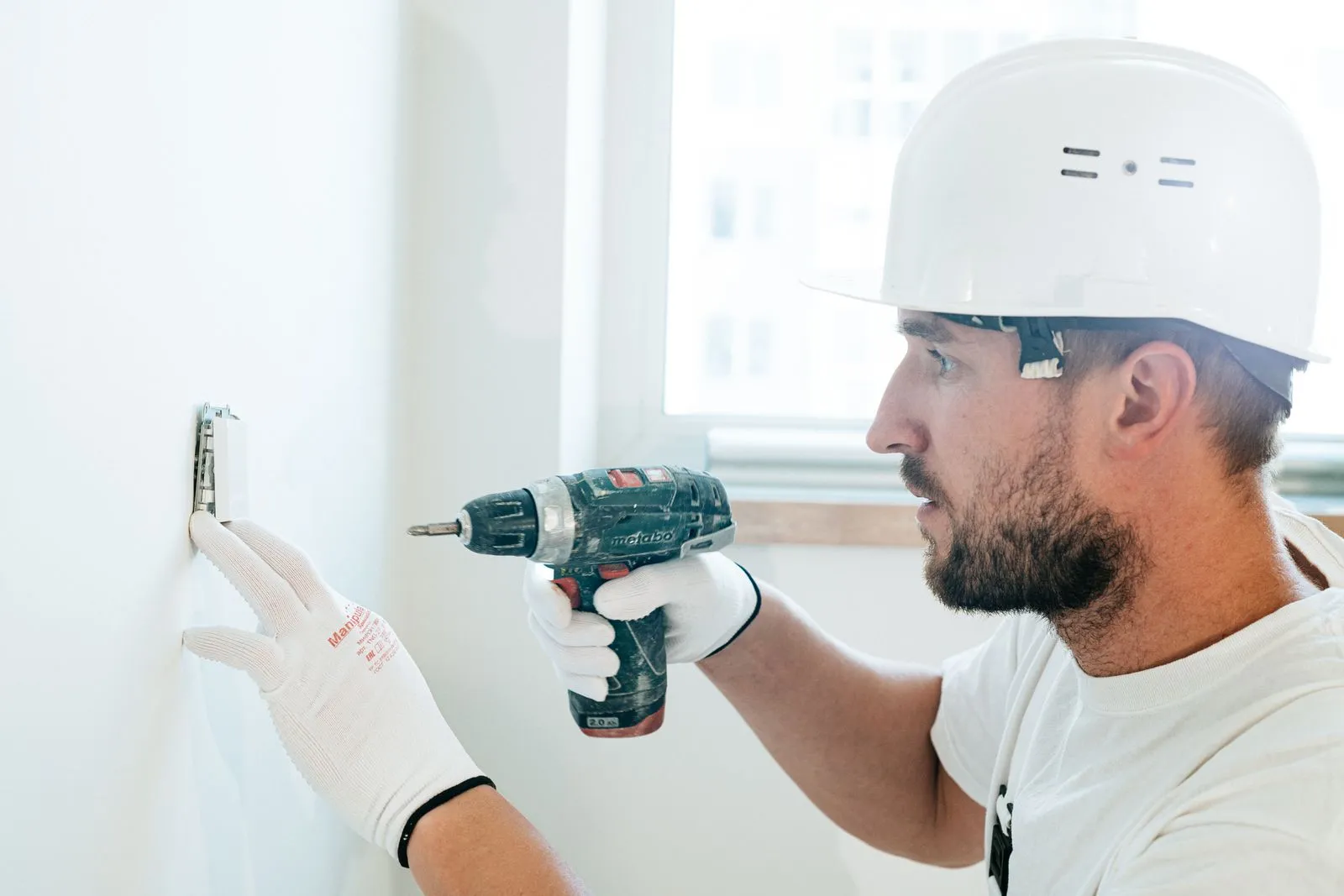
Soft trim, swollen siding and rotted jambs cut out and replaced with material that matches, then primed and painted so it disappears.
- Swollen or crumbling hardboard siding replaced
- Rotted corner boards, fascia and window trim
- Soft garage door jambs and exterior door thresholds
- Cracked vinyl panels and loose J-channel
- New material primed and painted to match
Covering Apex · Cary · Morrisville · Durham
Book siding and wood rot repair
Done right the first time
The job gets sized up properly, the right materials get used, and it holds up after we leave.
Experienced handymen
Work goes to people who do that trade every week — not whoever happens to be free.
Honest work and pricing
Describe the job on the phone and get a realistic number before anyone comes out.
Why choose us
Your trusted home repair partner
We make home maintenance simple and reliable. Whether it is a quick fix or a bigger project, one call gets it handled.
- Trusted expertise
- Customer-first approach
- Reliable service
- Fair, upfront pricing
- Safety and care
- Local and friendly
Why nineties houses in this area are failing at the bottom course
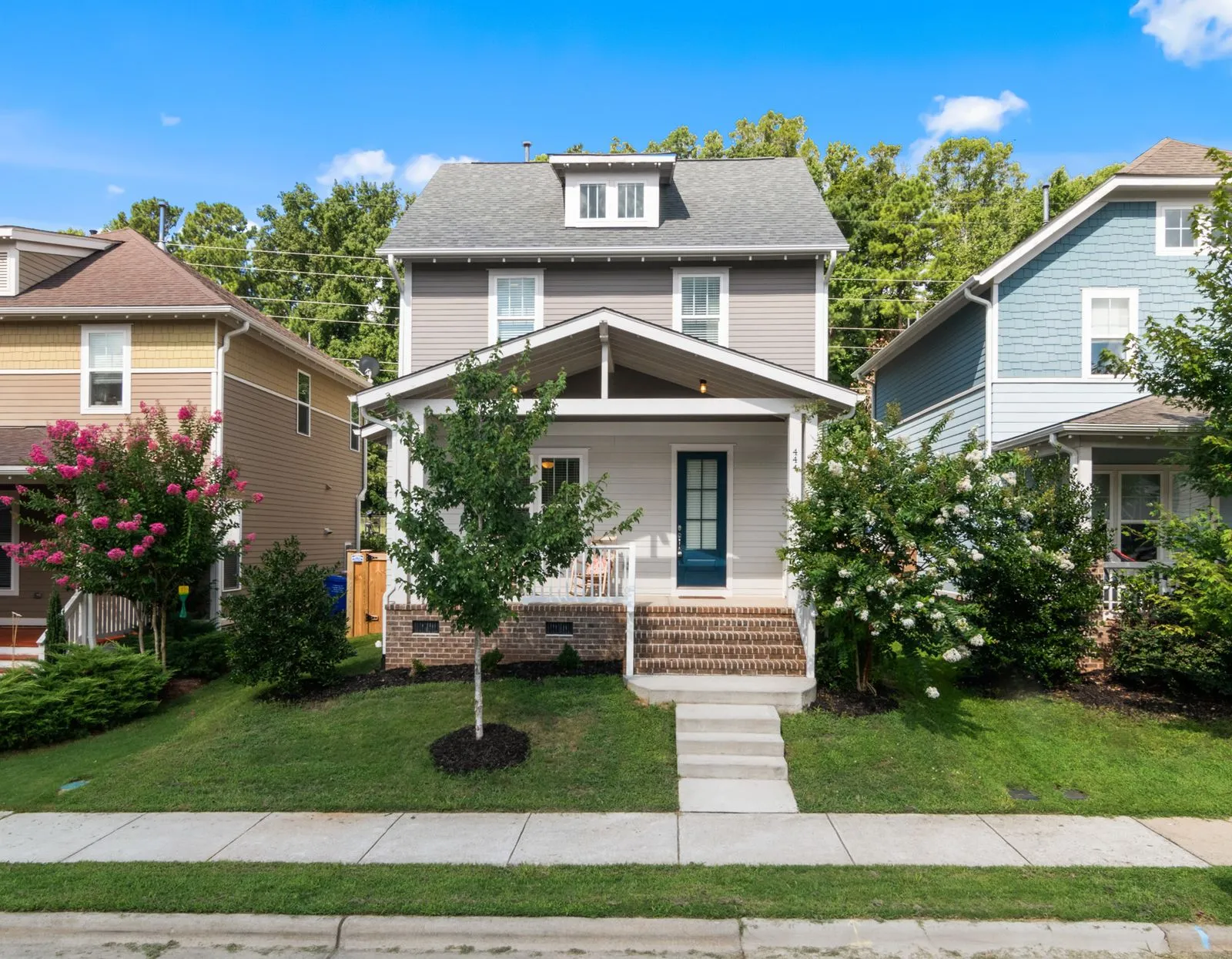
A very large share of the housing built across western Wake County between the mid-eighties and about 2000 was clad in hardboard — engineered wood siding sold under names like Masonite and LP. It was cheap, it took paint well, and it has a known weakness: once water gets past the paint film into the board, the wood fiber swells and delaminates, and it never recovers.
The failure is predictable in where it shows up. The bottom course goes first, because that is where splashback from the ground and runoff from above collect. After that it is the butt joints between boards, the area behind downspouts, and anywhere a deck or porch roof meets the wall. The signs are a bottom edge that looks thickened or furry, paint that is flaking in one horizontal band, and board that gives when you press it with a thumb.
Replacing failed courses with fiber cement is the standard repair now. It is dimensionally stable, it holds paint far longer, and it can be cut to the same exposure so the reveal lines still run true across the elevation. On a wall where several courses have gone, replacing that whole elevation often costs little more than patching it in pieces and looks considerably better.
The trim that rots first
Independent of siding type, the same handful of components rot on almost every house here, because they are the ones that collect water:
Corner boards where two elevations meet, particularly the lower two feet. Fascia behind gutters that have been overflowing. Window sills and the trim directly beneath them. The bottom of garage door jambs, which sit at the level where rain splashes off the driveway. Exterior door thresholds and the bottom of door casings. Porch column bases sitting directly on concrete with nowhere to drain. Deck ledger trim where the deck meets the wall.
High summer humidity is what makes this a regional problem rather than an occasional one. Wood that stays above about twenty percent moisture content supports decay fungus, and in this climate a shaded north elevation with an overflowing gutter above it stays there for weeks at a time.
Repair, or replace the section
A small area of rot in an otherwise sound board can be cut out and filled with a two-part epoxy consolidator and filler, which is genuinely durable when done properly and is the right call on original trim worth preserving — the profiled casing on older homes near downtown Apex or across Durham’s historic neighborhoods, for instance.
Everywhere else, cutting the rot out and scarfing in new material is faster and lasts longer. Modern PVC and composite trim is a good substitute in the places that rot repeatedly, because it cannot decay at all. It costs more per foot and it is worth it on a garage jamb that has now failed twice.
The step people skip is finding the water. Replacing a rotted sill without working out why it was wet guarantees a return visit. The usual culprits are a failed caulk joint, missing or reversed flashing over a window, a gutter overflowing at a corner, or grade and mulch built up above the bottom of the cladding.
Caulk, and the mild winters here
Winters in the Piedmont are mild but they still cycle above and below freezing repeatedly through January and February, and that cycling is harder on exterior sealant than a steady deep freeze. Caulk joints at trim-to-siding, around windows and at the top of a wainscot are the first line of defense, and they have a service life measured in years rather than decades. Renewing failed joints is cheap. Letting them go is how the rot starts.
Water usually arrives from above, so gutter cleaning is worth pairing with any rot repair. Where the damage has reached a door frame, see door and window repair. Exterior color changes across most Cary neighborhoods need association approval before work begins.
Siding and wood rot repair — common questions
Can you match my existing siding?
Usually. Vinyl profiles and colors from the last twenty years are largely still available, and fiber cement is easy to match on profile even when the color needs painting. The hard case is original hardboard from the eighties and nineties, which is no longer made — those sections get replaced with fiber cement cut to the same exposure, then painted to blend.
How do I know if it is rot or termites?
Rot is usually soft, spongy and darker, and it starts where water sits — the bottom of a board, a joint, a horizontal ledge. Insect damage tends to leave clean galleries or mud tubes and can look dry. If there is any doubt at all, it is worth a pest inspection before repairs, since carpentry over an active infestation is money wasted.
Is a small soft spot worth fixing now?
Yes, and this is the one thing worth acting on early. Water that gets past the cladding does not stop at the board — it moves into the sheathing and framing behind it, where a $300 trim repair becomes a several-thousand-dollar structural one. Soft trim is a leak indicator, not a cosmetic issue.
Will the repair be painted?
New material should be primed on all six sides including the cut ends before it goes up, then finish-painted after installation. Color matching from an existing painted surface is done with a scan at a paint store, though badly faded siding may need the whole elevation repainted to look right.
Often booked with this