Deck and fence repair in Apex, NC
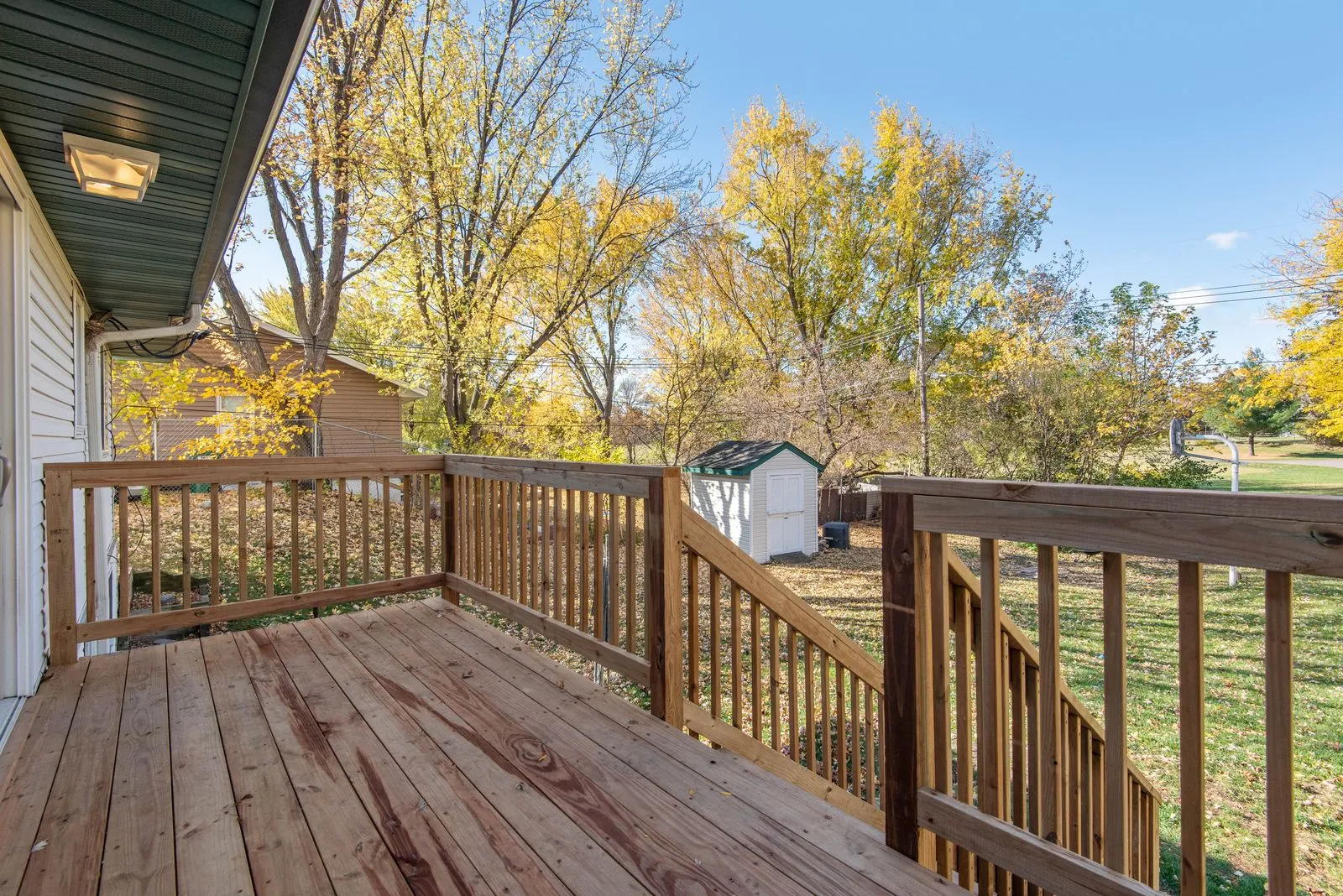
Soft boards replaced, railings made solid, sagging gates re-hung and leaning posts reset — before the small repair turns into a rebuild.
- Soft or splitting deck boards replaced
- Wobbly handrails and loose balusters made solid
- Gates that drag, sag or will not latch
- Leaning and heaved fence posts reset
- Cleaning, staining and sealing
Covering Apex · Cary · Morrisville · Durham
Book deck and fence repair
Done right the first time
The job gets sized up properly, the right materials get used, and it holds up after we leave.
Experienced handymen
Work goes to people who do that trade every week — not whoever happens to be free.
Honest work and pricing
Describe the job on the phone and get a realistic number before anyone comes out.
Why choose us
Your trusted home repair partner
We make home maintenance simple and reliable. Whether it is a quick fix or a bigger project, one call gets it handled.
- Trusted expertise
- Customer-first approach
- Reliable service
- Fair, upfront pricing
- Safety and care
- Local and friendly
What red clay does to posts and footings
Piedmont clay is the single biggest factor in why fences and decks in this area move. Clay swells when it takes on water and shrinks when it dries out, and it does both dramatically. Over a few wet-then-dry cycles, that movement works fence posts upward and sideways, which is why a fence line that was dead straight when it was installed develops a wave along it after five or six years.
The same movement affects deck footings that were not taken below the frost line or were poured into a hole that was too shallow. A deck that has developed a bounce or a slope away from the house is usually telling you about its footings rather than its boards.
Resetting a post properly means removing the old concrete rather than pouring new concrete around it, getting the hole down to the right depth, and giving the base somewhere to drain. Setting a post in a clay hole with no drainage creates a bucket that keeps the post permanently wet, which is what rots it at ground level.
Boards, rails and stairs
Pressure-treated southern yellow pine is what most decks around here are built from, and it behaves in a specific way. It cups as it ages — the board curls upward at its edges and holds water in the middle, which accelerates the rot. Boards laid bark-side down cup worse. Once a board is soft enough that a screwdriver sinks into it, it is replaced rather than patched.
Fasteners are the other half of the story. Older decks were nailed, and nails work loose as the wood cycles wet and dry, leaving raised heads that catch bare feet. Replacing popped nails with coated deck screws through fresh holes is a straightforward upgrade that also stops the boards from lifting.
Railings are the safety item worth taking seriously. A residential guard rail should be a solid 36 inches and it should not move when you lean on it. Loose posts at the rail are typically bolted through the rim joist with a single lag that has crushed the wood around it — the repair is a through-bolt with a backing block, not a longer screw.
Fences that have been through a Piedmont summer
Summer thunderstorms and the remnants of tropical systems put fences down here every year, usually in sections rather than the whole run. A single blown-over panel between two sound posts is a quick fix. A whole run leaning at the same angle means the posts went, not the panels.
Rot on a wood fence almost always starts at the same place: the two inches immediately above ground level on the post, where soil, mulch and rain keep it damp. Mulch piled against the base of a fence post is a slow-motion way of destroying it. Trimming the mulch back and keeping the bottom rail off the dirt buys years.
Gates take the most abuse because they are the only moving part. Weight plus a hundred cycles a week finds every weakness, and a gate that gets harder to latch through the season is telling you the post is moving, not that the latch needs adjusting.
Cleaning and finishing
Pine pollen coats everything in this area in April, and it does not simply wash off a deck once it has been rained into the grain. A wash before staining is not cosmetic — a finish applied over pollen and mildew film will not bond, and it peels the following summer.
For rot on the house itself rather than the deck, see siding and wood rot repair. Overflowing gutters dumping water beside a deck are a common hidden cause of rot at the ledger and posts, which gutter cleaning addresses. Exterior work in the Cary neighborhoods often needs a color approved by the association first.
Deck and fence repair — common questions
Repair it or replace it?
The deciding factor is the framing, not the surface. Decking boards, railings and stairs are all replaceable while the joists, beams and posts underneath are sound. Once the framing is soft — especially where the deck attaches to the house — the economics flip toward a rebuild, and that is a licensed contractor's job.
My gate sags and drags on the ground. Is that fixable?
Almost always, and it rarely needs a new gate. The usual causes are a post that has shifted, hinges too light for the weight, or a frame that has racked out of square. Resetting the post, upgrading the hinges and adding a diagonal brace or a cable and turnbuckle fixes most of them in one visit.
How long does a stain last around here?
Two to three years on a horizontal surface in this climate, less on a south-facing deck that takes full afternoon sun. Vertical surfaces like railings and fence boards hold their finish considerably longer than the deck floor.
When is the best time to stain?
Late spring after the pine pollen has finished, or early fall. Staining during heavy pollen season traps a yellow film in the finish. The wood also needs to be genuinely dry — two clear days after washing, not two hours.
Often booked with this